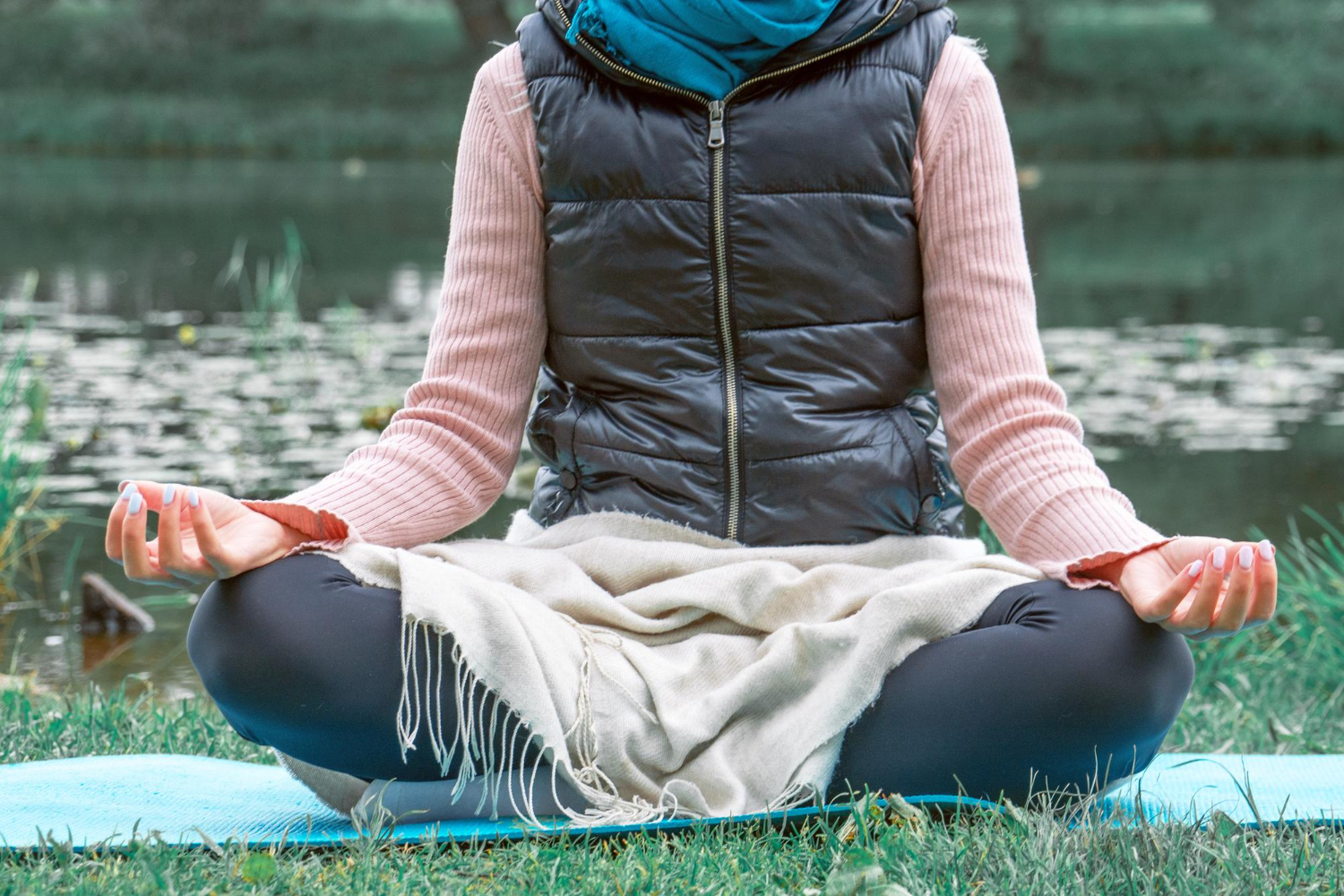

Modern life can feel relentless. Many of us move from one task to the next without pause, juggling work, family, and the constant stream of information that fills our days. It’s no surprise that stress has become such a familiar companion. But what if the path to feeling calmer and more balanced isn’t about doing more, but about slowing down and reconnecting with yourself?
That’s where yoga comes in - not as a fitness trend, but as a gentle, time-tested way to bring the body and mind back into harmony.
Understanding Stress
Stress itself isn’t always negative. It’s the body’s natural response to challenge, helping us focus and react quickly when needed. But when stress becomes constant, the body remains in a state of alert - heart rate elevated, breathing shallow, muscles tight. Over time, this can lead to exhaustion, anxiety, headaches, and difficulty sleeping.
Yoga offers a way to interrupt this pattern. It teaches the body and mind to shift from the fight-or-flight response into a state of rest and restoration.
The Science of Serenity
When we practise yoga, we move, breathe, and rest in ways that directly affect the nervous system. Slow, mindful movement and controlled breathing activate the parasympathetic nervous system - the body’s natural “calm” response. This helps reduce cortisol (the stress hormone), slows the heart rate, and relaxes the muscles.
Over time, these physiological shifts translate into emotional benefits. Regular yoga practice has been shown to improve mood, reduce anxiety, and increase feelings of wellbeing. It helps the body remember what it feels like to be calm, so that serenity becomes more accessible, even in challenging moments.
How Yoga Transforms Stress into Calm
Yoga approaches stress from several angles. Physically, it releases tension from areas that often hold stress, such as the shoulders, neck, and lower back. Mentally, it helps train attention, drawing focus away from worry and into the present moment. Emotionally, it encourages self-awareness and self-compassion, helping you respond to challenges with more understanding and less reactivity.
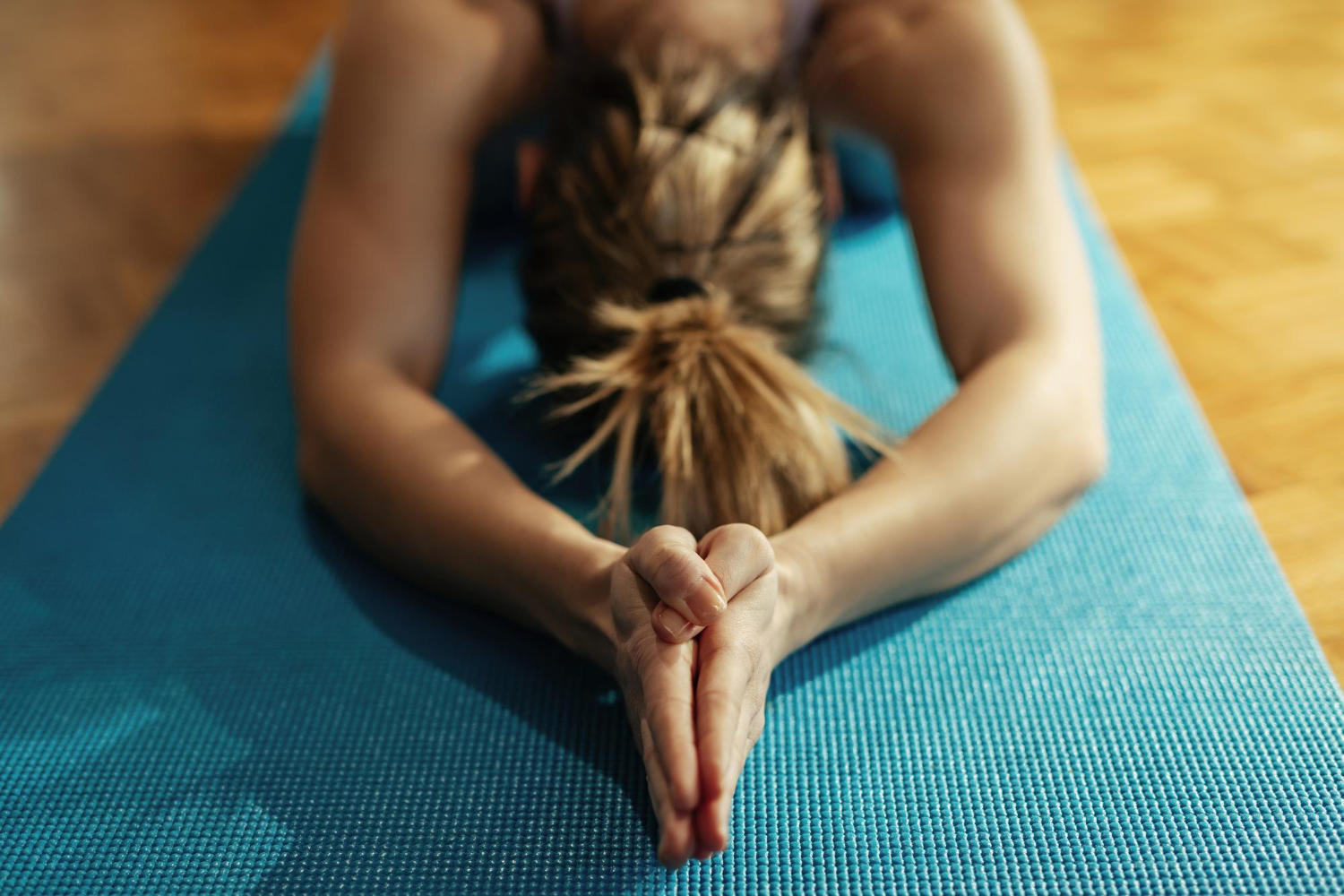
Gentle postures like child’s pose (balasana), legs-up-the-wall (viparita karani), and supine bound angle pose (supta baddha konasana) encourage deep relaxation. Breathing practices such as alternate nostril breathing (nadi shodhana) and three-part breathing (dirga pranayama) calm the mind and settle the body. When paired with short meditations, these practices create space - the kind of mental stillness that stress often takes away.
The Role of Mindfulness
Mindfulness sits at the heart of yoga. It’s the practice of paying attention - noticing the rhythm of the breath, the feeling of the body, and the thoughts passing through the mind, without trying to change or judge them.
When you’re stressed, thoughts often spiral into the past or future: “What if?” or “I should have…”. Mindfulness brings you back to now. It reminds you that, in this moment, you are safe, breathing, and capable of calm. Over time, this awareness can shift how you relate to stress entirely - from something that controls you to something you can respond to with steadiness.
Yoga Beyond the Mat
The calm you experience during yoga doesn’t stay confined to the mat. With regular practice, it begins to ripple into daily life. You might notice yourself pausing before reacting, breathing more deeply when faced with challenges, or sleeping more soundly at night.
These small shifts are signs that the nervous system is learning to move more fluidly between activity and rest - between stress and serenity. It’s not about avoiding difficult emotions or stressful situations, but about cultivating the inner stability to move through them with greater ease.
A Simple Beginning
Finding calm through yoga doesn’t require complex postures or long sessions. Even ten minutes a day of gentle stretching, slow breathing, or mindful sitting can make a noticeable difference. The key is consistency - giving yourself the time and space to slow down and listen.
Over time, yoga becomes less of a practice and more of a way of being - a reminder that serenity is not something to chase, but something to uncover, breath by breath.
In Summary
Yoga offers more than physical exercise. It provides a pathway from tension to tranquillity, helping both body and mind rediscover their natural balance. Through movement, breath, and awareness, yoga invites a shift from doing to being, from striving to settling - from stress to serenity.